I. Where did we stand on April 12?
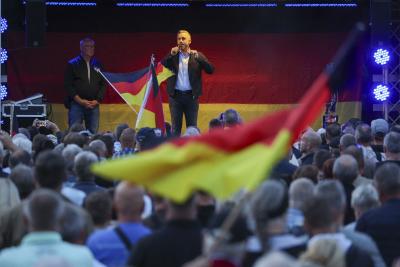
The significance of the April 12 election extended beyond Hungary’s borders from the very beginning. Over a period of a decade and a half, Viktor Orbán evolved from being the prime minister of a Central European country into an important figure in political debates in both Europe and the United States. His name became associated with a political model that increasingly defined national sovereignty in opposition to European integration and the West. Hungary remained a member of both the EU and NATO, but government rhetoric increasingly portrayed the European Union as “Brussels” and eventually as an enemy. Yet Hungarian policy gradually moved away from the mainstream of its own alliance system, while increasingly strong pro-Russian features emerged in its foreign policy.
The Hungarian election therefore carried a European message as well. It showed that an illiberal system built up over a long period, gradually dismantling the rule-of-law and institutional constraints, can be defeated in a democratic election.
Hungary was thus confronted with an even more difficult task: to demonstrate that the rule of law and democratic institutions can be durably rebuilt, and that a country that had moved dangerously close to Russia politically and in energy terms in recent years can once again clearly position itself within the Western alliance system.
In this situation, foreign policy became an important resource for domestic transformation. Hungary had to regain the trust of its partners, repair weakened relationships, and regain access to the political and economic opportunities that conflicts in previous years had narrowed. Effective foreign policy can create political and economic room for manoeuvre, attract investment, and provide greater security.
A magyar külpolitika első száz napjának mérlege – A nyugati visszatérés megtörtént, a külpolitikai rendszerváltás további lépéseket igényelNormalizing relations, however, was only the first task. The Hungarian government must also decide what role it wants Hungary to play in the rapidly changing security architecture of the continent; how it will reduce the political and energy dependence on Russia that developed during the Orbán era; and how it will reset its relations with Ukraine, its own neighbours, and the major powers outside the West. The broader significance of the April 12 change of government and political system will ultimately also be determined by what lasting place Hungary finds for itself in the new European order.
After one hundred days, a preliminary assessment can already be made. The political turn towards the West has taken place: Hungary once again defines its place clearly as a cooperative member of the European Union and NATO, and has begun restoring the alliances that had weakened in previous years. Tangible results have been achieved concerning EU funding and the Hungarian minority in Ukraine, Visegrad cooperation has resumed, and the restructuring of the foreign-policy institutional system has begun as well.
The turn, however, cannot yet be considered complete. Several questions remain open, and these will ultimately determine how deep and lasting Hungary’s return to the West will be.
II. What have the first 100 days brought?
The most important achievement of the first one hundred days is the change of direction itself. The new government quickly made clear that Hungary once again wants to act as a predictable ally within the EU and NATO, and that instead of a policy based on vetoes, unilateral paths and permanent confrontation, it intends to pursue its interests through cooperation and coalition-building. The restoration of Hungary’s most important European relationships, the relaunch of Visegrad cooperation, and the establishment of a new working relationship with the EU are all part of the same turn. A different approach is also visible towards the United States: instead of the highly personal and partisan ties of the previous period, the interstate relationship has once again come to the fore, alongside contacts with different actors within American politics. This represents a significant change in one hundred days, particularly after the loss of trust in previous years.
The change has produced tangible benefits quickly. Approval by the EU of Hungary’s new recovery plan opened the way for the disbursement of around €10 billion in grants and loans, still subject to reforms and the fulfilment of conditions. More important than the exact amount is the underlying relationship: rule-of-law reforms increase Hungary’s credibility in Europe, while restored trust can create financial and political room for manoeuvre for domestic transformation. In previous years, the same relationship worked in the opposite direction.
The institutional side of the rule-of-law turn is reinforced by two further decisions. Hungary is joining the European Public Prosecutor’s Office, and it withdrew the notification submitted in 2025 concerning its withdrawal from the International Criminal Court. The withdrawal had not yet taken effect, so Hungary remained continuously a state party to the Rome Statute. Both steps go beyond the matters to which they directly relate. They signal that the new government regards engagement with common European and international legal institutions as part of restoring Hungary’s credibility as a state governed by the rule of law.
The commitment to meet the Maastricht criteria required for adopting the euro around 2030 points in the same direction. This is not a commitment to a specific date for adopting the euro. The political signal is nevertheless important: joining the euro area would bring Hungary into the closer circle of European economic and monetary integration.
There has been a clear success concerning Hungary’s ethnic Hungarian minority in Ukraine. The restrictions on the linguistic, educational and cultural rights of ethnic Hungarians in Transcarpathia have long been a legitimate Hungarian foreign-policy concern. In a short negotiating process, the new government secured wide-ranging Ukrainian commitments to address minority rights and subsequently allowed Ukraine’s EU accession process to move forward. Hungarian demands were thus incorporated into a European process subject to verification. This demonstrated that consistently representing Hungarian interests can be effective without maintaining a veto indefinitely: a clearly defined Hungarian interest, specific conditions, an agreement, and then moving forward. The agreement also created the basis for fully normalizing Hungarian-Ukrainian interstate relations and entering a new phase of cooperation. Whether this will actually happen is a question for the next period.
Another major task of the first hundred days is less visible but at least as important in the longer term: reorganizing the foreign-policy institutional system. The new government has separated a substantial part of foreign economic and energy policy from classical diplomacy. The Ministry of Foreign Affairs is once again primarily concerned with foreign policy.
General coordination of European affairs has been transferred to the Prime Minister’s Office. The professional logic of this arrangement is clear, since EU membership cuts across the entire operation of government. At the same time, the chosen structure requires close coordination between the Prime Minister’s Office, foreign-policy leadership, and economic and energy policy authorities.
Bringing the Institute for Foreign Affairs back under the ministry and placing greater emphasis on independent, forward-looking analysis are also part of the institutional restructuring. Ultimately, the quality of foreign-policy decision-making will also depend on what information reaches the political leadership and on how willing it is to listen to uncomfortable conclusions.
Personnel changes have also begun. A substantial part of the corps of heads of mission has been reviewed, new principles concerning rotation and integrity have been formulated, and there is a visible intention to restore a professional diplomatic career structure. The institutional memory, language skills, country knowledge and networks of the diplomatic service are public assets. The quality of professional renewal will therefore not be measured by the number of dismissals, but by whether political loyalty is genuinely replaced by competence, integrity and professional performance.
In the first hundred days, it has become surprisingly clear what the new foreign-policy leadership wants to leave behind: a personnel system based on political loyalty, wastefulness, the unjustified distribution of diplomatic passports, the transformation of the foreign ministry into a business-generating office, and the marginalization of professional expertise. This is partly natural. The most immediate tasks facing a new government concern its own institutions and the way they operate. These do not require the agreement of other countries, and their results become visible more quickly.
Even so, there is still a certain sense of something missing, although part of this is obviously a consequence of the short time that has elapsed. Today we know more about the reorganization of the foreign ministry than about the new Hungarian foreign-policy doctrine. Moreover, this doctrine must also be integrated with economic policy, national security and military strategy. The agreement on minority rights in Ukraine has not yet been followed by a comprehensive restart of bilateral relations; migration continues to appear primarily as a domestic and justice-policy issue; the concept of a “pragmatic relationship” still dominates policy towards Russia; and dealing with dependence on Russian energy is too easily reduced to a question of energy and transport. It is precisely in these areas that we will need to see more in the coming months.
III. In a Europe in motion
The task is more difficult because Hungary is not returning to the same West from which the Orbán government gradually distanced itself over a decade and a half, and whose unity it also deliberately weakened on several issues. Russian aggression, Ukraine’s future, the changing American security role, and Europe’s accelerating rearmament have transformed the continent’s political and security landscape.
We are returning to a Europe in motion. Alongside the traditional institutions of the EU and NATO, new security, political and industrial partnerships are emerging, and an increasing number of important decisions are being prepared in these more flexible formats.
In this changing Europe, the concept of sovereignty must also be reconsidered. During the Orbán era, Hungarian politics increasingly used sovereignty as the language of resistance to European integration. But for a country the size of Hungary, its room for manoeuvre is determined to a great extent by how much influence it can exert on common decisions and how actively it participates in new European forms of cooperation. Closer integration gives a smaller country greater weight precisely because it enlarges the set of instruments available for advancing its interests. A multi-speed Europe is therefore a real risk for us: a country that remains outside new forms of cooperation for a prolonged period can easily find itself on the continent’s periphery, with less influence, less room for manoeuvre and fewer opportunities.
There will soon be a very concrete test of this. In negotiations over the EU’s next seven-year budget, it must already be clear what Hungary’s most important objectives are and with which countries, and in what coalitions, we intend to pursue them.
The British-French-led Coalition of the Willing is an important example. Beyond political support for Ukraine, its participants are already considering post-war security guarantees and Ukraine’s long-term defence capabilities. Hungary is not formally an outsider: it participates in the work of the Ramstein Group, although its role so far has been limited, and it is also present in the Demining Coalition and the Central European Defence Cooperation.
Sooner or later, however, Hungary must arrive at the clear recognition that maintaining Ukraine’s ability to defend itself is in Hungary’s and Europe’s security interests. Its domestic political sensitivity after the election campaign is obvious. The specific forms of support should therefore be determined on the basis of Hungarian security and political considerations. Training, demining, logistical and medical assistance, defence-industrial cooperation, and, where justified, the transfer of military materiel and equipment may all be considered. The strategic direction can be clear while every concrete decision remains in Hungarian hands. Complete non-participation, however, could mean that we are effectively left out of the circles where Europe’s next security system is being shaped.
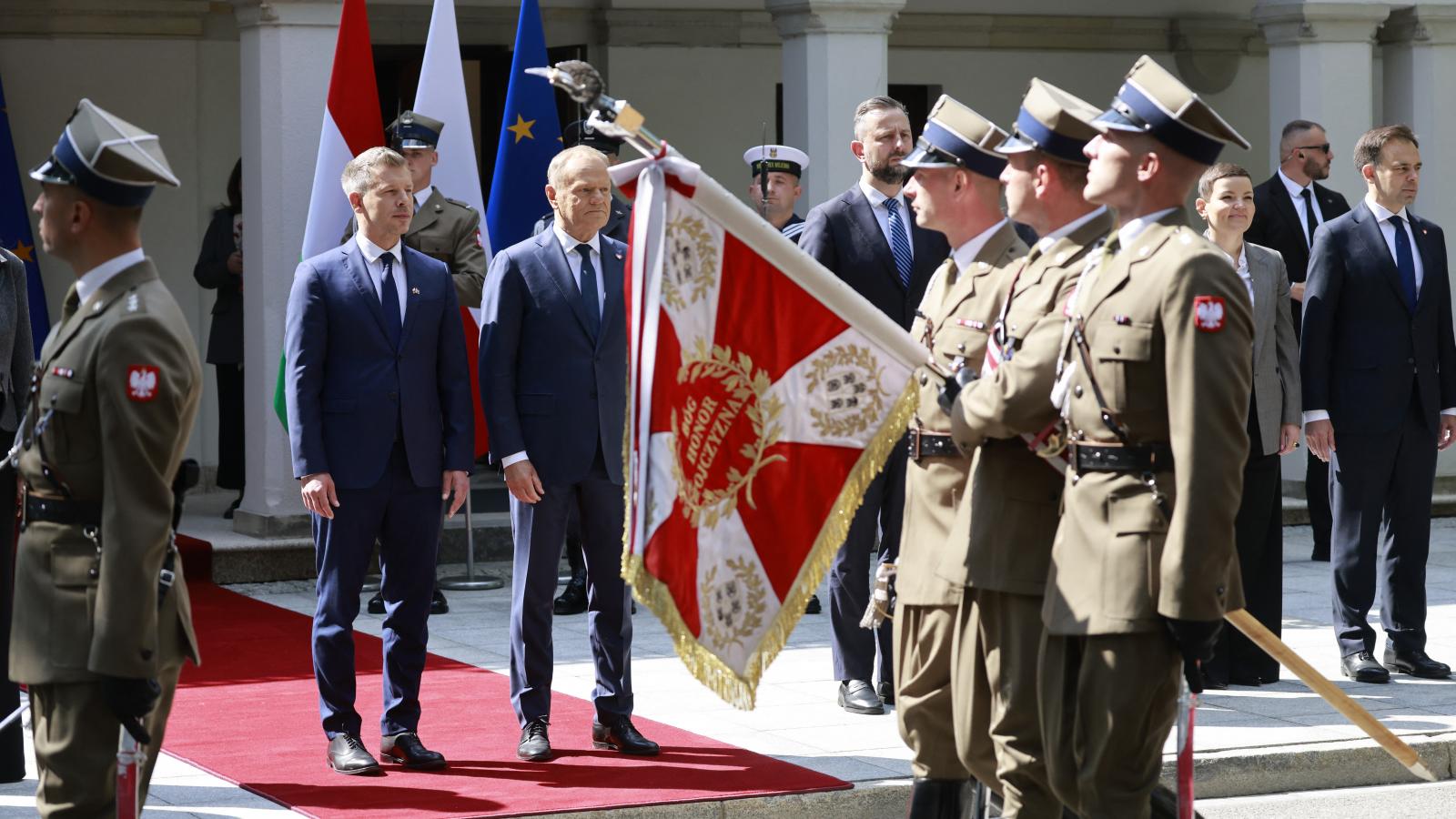
Building Hungary’s long-term strategic anchors is another question. It would hardly be fair to demand, after one hundred days, a special relationship with a major European or Atlantic power; such relationships take years to build. Their importance, however, should already be recognized. Poland’s example shows how a European middle power can increase its weight by linking strong relationships with major powers to regional and eastern security networks. For Hungary, therefore, an important question is with which countries, and on the basis of what Hungarian added value, it wants to build lasting strategic relationships.
Ukraine illustrates particularly well where the boundary lies between a successful first step and a strategy that is still missing. The agreement on the rights of the Hungarian community in Transcarpathia created an opportunity for the two countries to leave behind the confrontation of previous years. What is actually at stake is the detoxification and gradual restoration of a bilateral relationship that had been severely poisoned by the previous government’s policies. So far, however, this has not been followed by an equally energetic rebuilding of Hungarian-Ukrainian interstate relations.
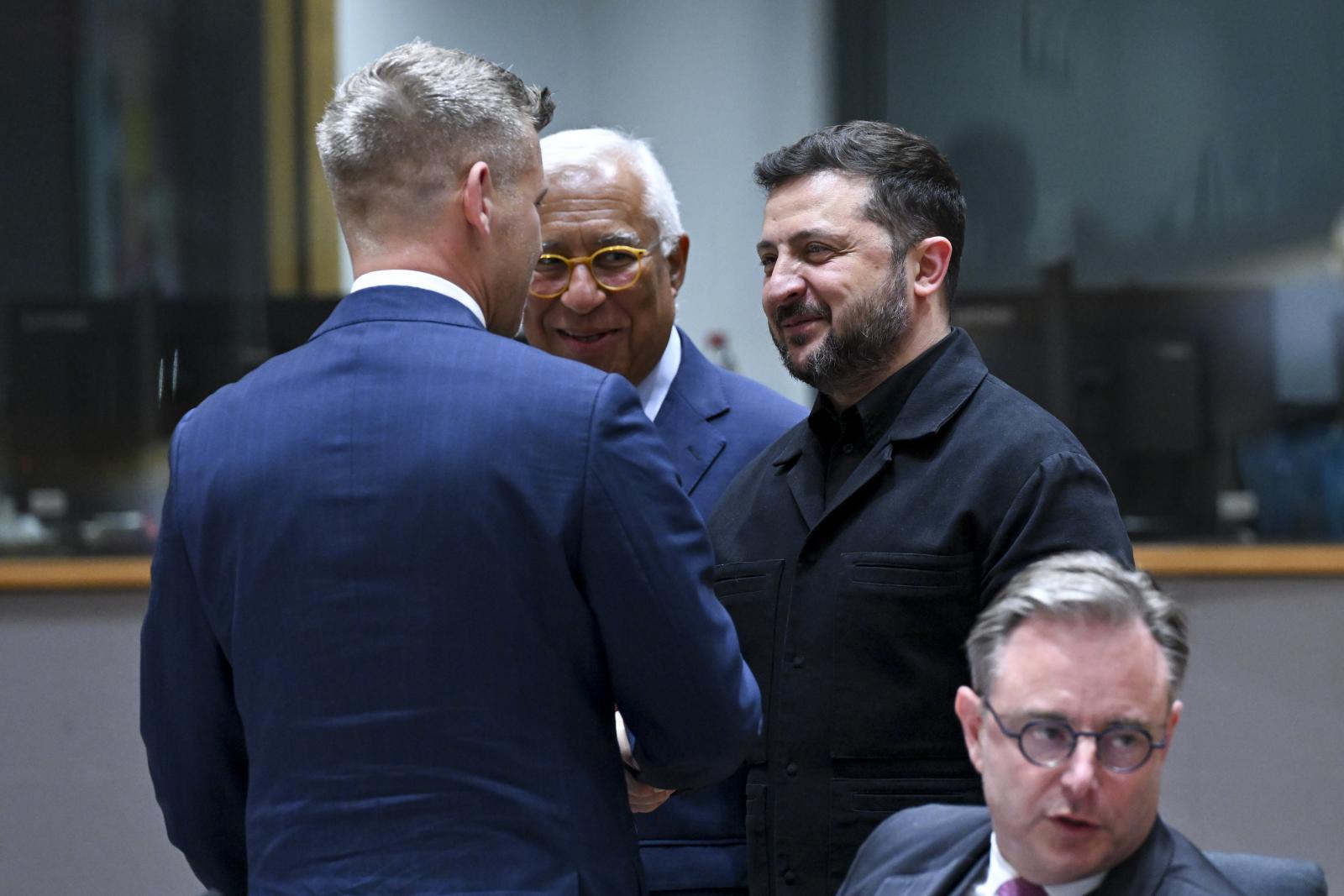
During the Orbán era, Ukraine and Volodymyr Zelenskyy personally were made part of Hungarian domestic political campaigning for years. A prime-ministerial visit to Kyiv, a meeting with Zelenskyy and a tribute in Bucha, followed by an invitation to the Ukrainian president to visit Budapest, would therefore mean much more than a diplomatic gesture: it would signal that this period has come to an end. A visit to Berehove would at the same time send an important message to both the Hungarian community in Transcarpathia and the Ukrainian leadership.
The substance is even more important. Ukraine is Hungary’s neighbour and an EU candidate country with which accession negotiations are already under way, while post-war reconstruction will become one of Europe’s largest economic programmes. The minority-rights agreement should therefore develop into broader security and economic cooperation. In helping war-ravaged Ukraine integrate into the European order, Hungary, as a neighbour and because of the Hungarian community in Transcarpathia, should take on a greater role than the average EU member state. There is as yet little visible evidence of deliberate preparations for this. Such an approach would also give Hungary a stronger political basis for playing a meaningful role in Ukraine’s reconstruction.
A similar next step is needed in neighbourhood policy. Relaunching V4 cooperation and repairing relations with Austria are important beginnings, but a comprehensive regional strategy is still difficult to discern. The neighbourhood is heterogeneous, however, and the same model cannot be applied everywhere when repairing relations. Rapid improvement requires political will on both sides, and that is not present in the case of every neighbour. Hungary’s security and economic environment is directly dependent on Romania, Slovakia, Croatia and Serbia, extending from the Black Sea and the Adriatic oil pipeline to the Western Balkans. In the current water and energy crisis, water management on the Danube and energy security could even become concrete themes of a new Hungarian regional initiative.
This regional rethink must also include renewing relations with Hungarian communities beyond the country’s borders. Instead of the partisan political dependencies of the past, there is a need for a partnership that respects the independent decisions of local communities, while the Hungarian state provides predictable support for the enforcement of their rights and makes the system of state support more transparent. Alongside preserving Hungarian culture and identity, support programmes should serve job creation and thus help retain the local population. This year’s water and energy crisis demonstrates particularly clearly that neighbourhood policy is one of the foundations of Hungary’s security.
Migration presents a different kind of continuity. The new government has essentially maintained Hungary’s strict position, while the European Union itself has moved significantly from its 2015 position towards stronger external-border protection and faster procedures. Hungary, however, continues to pay the €1 million-per-day coercive fine imposed by the Court of Justice of the European Union because it has failed to implement an earlier asylum ruling. This must be resolved without further delay, and not merely for financial reasons. The issue has now moved beyond the debate between a strict and a permissive migration policy. The operational management of migration may be a domestic and justice-policy task, but Hungary’s position within the European system is also a foreign-policy issue.
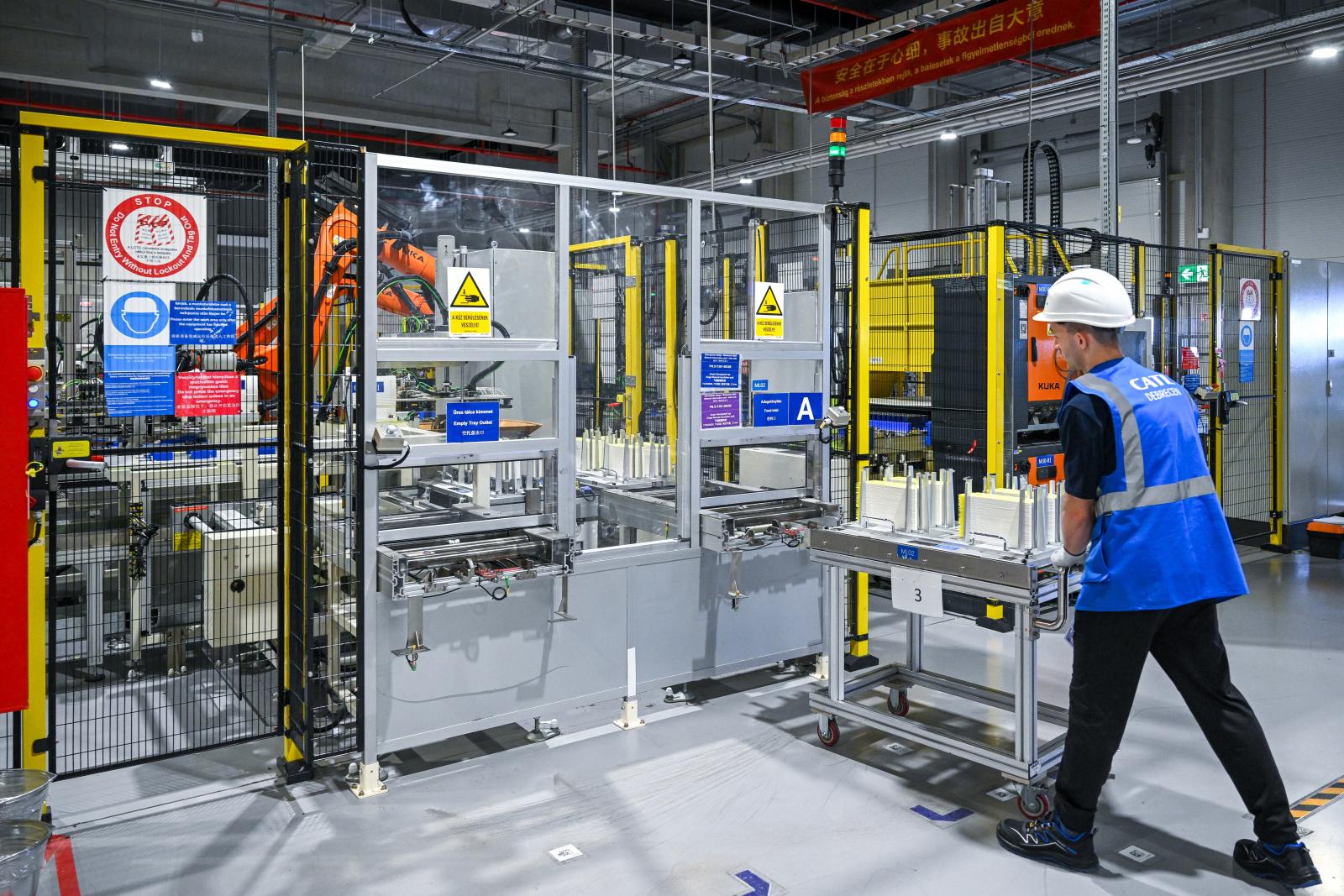
With China, maintaining the right balance between continuity and correction is particularly important. Major Chinese investments in Hungary have already become part of the country’s industrial structure, so it is in Hungary’s interest to preserve the predictability of existing investments and economic relations. Political relations cannot simply be torn up either. At the same time, several decisions taken by the previous government warrant substantive scrutiny, while future China policy must clearly be integrated into the European Union’s broader economic and security approach. For Hungary, the question is how to exploit the benefits of Chinese economic presence while fully aligning itself with the European Union’s common economic and security framework and, within the limits of its capabilities, helping shape Europe’s China policy itself. It is in neither Hungary’s interest to dismantle its relations with China nor to maintain a separate, go-it-alone China policy. China policy must also be embedded in a clear economic-development and industrial-policy concept, on the basis of which it can be decided in which sectors encouraging Chinese investment and technological cooperation is desirable and where greater caution is justified. After the first hundred days, however, it is still not clear what strategy will guide this policy or where, within the government, the political coordination of this complex relationship will take place. This is not merely an institutional question: foreign-policy, economic, industrial-policy, technological and national-security considerations must be brought together within a coherent strategic framework. The ultimate test of Hungary’s China policy may be the extent to which it contributes to the country’s long-term competitiveness, technological development and strategic room for manoeuvre.
The duality is even sharper in the case of Russia. Government practice has already changed: the automatic policy of blocking EU decisions has ended, and the new foreign-policy leadership has made clear that in EU negotiations Hungary starts from the interests of its own alliance system and will no longer carry forward the previous sanctions vetoes that do not reflect a genuine Hungarian interest. This is an important change. At the same time, however, no equally clear strategic shift has yet taken place in the assessment of Russia.
In two public statements during the first hundred days, Foreign Minister Anita Orbán referred to a “pragmatic” Hungarian-Russian relationship. Functioning diplomatic channels with Moscow are necessary. Pragmatism, however, can be an acceptable framework only if it starts from a clear strategic assessment: Russia is the aggressor, and the war it launched against Ukraine threatens both the European security order and the international legal order.
In this respect, the current approach in Budapest is misleading: it does not draw a sufficiently clear distinction between the need to maintain functioning relations and the security-policy assessment of Russia. “Mutual respect for national interests” is an acceptable diplomatic formula, but it can apply only to legitimate national interests. Russia naturally has legitimate national interests, but restricting Ukraine’s sovereignty, restoring NATO to its pre-1997 posture, or limiting the security-policy room for manoeuvre of Central European countries are not legitimate Russian interests; Hungary must not accept them as legitimate even rhetorically. This is more than an unfortunate choice of words: it is strategic framing.
Those who describe Moscow primarily as a partner, as a holder of interests to be mutually respected, arrive at different political conclusions from those who regard Russia as a lasting threat to European security. Hungarian foreign policy must also start from the latter recognition.
Given the experience of Russia’s invasion of Ukraine, European intelligence and cyber operations, disinformation and political influence operations, “mutual non-interference” can at most be a norm whose observance Hungary demands from Moscow. The same applies to “mutual respect for national interests.” At the end of 2021, Moscow demanded that further NATO enlargement be halted and that allied forces be withdrawn from the eastern member states. Hungary joined NATO in 1999. Such a Russian security demand directly violates Hungary’s national interest.
Energy dependence is where the immediate responsibilities of government and long-term strategy meet most directly. In the midst of the current energy crisis, the government is understandably concentrating all its efforts on maintaining security of supply and preserving the operational viability of the Paks Nuclear Power Plant; the low weir being built on the Danube also serves this purpose. The energy relationships that have developed over a long period cannot be dismantled overnight either.
Purchasing Russian energy carriers is a matter of energy policy, but the degree of dependence on Russia is also a foreign-policy and national-security issue. The purpose of diversification is not simply to replace one supplier with another, but to ensure that the country has a choice among multiple sources and transport routes, so that the loss of any single supplier or route does not seriously threaten national energy supply. This requires alternative sources of supply, adequate infrastructure and procurement processes in which suppliers can genuinely compete.
The EU has already adopted a binding timetable for phasing out Russian gas imports. The 2035 target date contained in the TISZA programme is therefore no longer compatible with the EU rules adopted in the meantime, which require the complete phase-out of Russian pipeline gas imports by autumn 2027. In the case of oil, however, there is currently no equally detailed and binding EU timetable. In both cases, Hungary must make clear at what pace, and on the basis of which alternative sources, it intends to reduce its dependence on Russia.
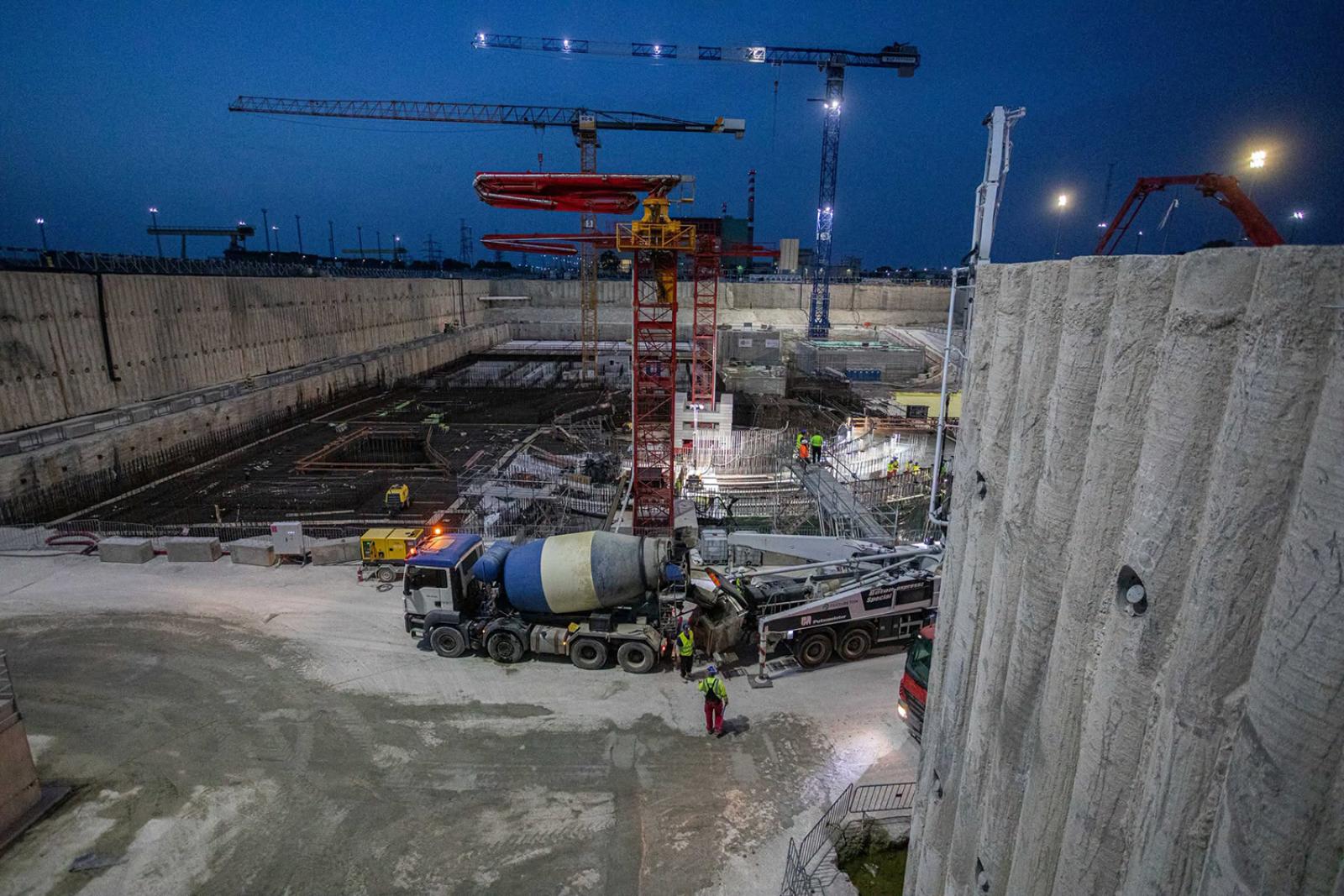
The future of Paks II is part of this question as well. Whether the current contractual structure remains in place or needs to be amended, the decision will determine Hungary’s technological, financial and political relationship with Russia for decades. In the case of Paks II, however, different forms of dependence must be distinguished: those arising from Russian technology, the main-contractor and servicing relationships, financing, and fuel supply. These dependencies are not identical, nor are their possibilities for replacement. Alternative Western fuel solutions already exist for VVER-440 and VVER-1000 reactors; in the case of the VVER-1200 planned for Paks II, the technical and licensing possibilities of such alternatives must be examined separately. These long-term dependencies should therefore be assessed individually when decisions about the project are made.
After one hundred days, then, the turn towards the West is real, and it has already produced results in several areas. After normalization comes the substance: more coherent foreign-policy thinking, broader Hungarian-Ukrainian relations, a renewed neighbourhood policy, and a clearer answer to how Hungary intends to escape the inherited political and energy dependence on Russia.
On April 12, voters demonstrated that an entrenched illiberal system can be removed democratically. The government’s task now is to redefine Hungary’s place in a Europe in motion, rebuild Western trust on a lasting basis, and create foreign-policy room for manoeuvre that is no longer constrained by the dependencies of previous years. If it succeeds, the Hungarian story will truly extend beyond Hungary.
A great deal has happened in one hundred days, and most of it has moved in the right direction. It is understandable that during the first months, institutional and rule-of-law tasks, repairing relations with the EU, and managing day-to-day crises took priority. Decisions concerning Russia, Ukraine, migration, neighbourhood policy and energy dependence require time, partners and, in many cases, difficult domestic political choices.
But a transitional state also carries risks. What today still looks like waiting or an inherited position can easily become a permanent part of the new foreign policy over time. Meanwhile, Europe’s security system continues to evolve, new forms of cooperation are emerging, new political and economic relationships are being built around Ukraine, and the political and economic cost of maintaining dependence on Russian energy is increasing.
In these areas, correcting or fine-tuning previous positions is no longer enough. In several fields, a new starting point, new and clear political decisions, and their firm implementation are required.
The return to the West has happened. The foreign-policy transformation requires further steps.
Prepared within the Andrássy Circle of foreign-policy experts and diplomats, with the contribution of Károly Banai, Marianne Berecz, Miklós Dérer, András Hajdu, Attila Holoda, Géza Jeszenszky, Gyula Krajczár, György Krausz, László Lengyel, Zoltán Sz. Bíró, András Telkes, Imre Varga and László Várkonyi.
This is the English translation of the document published in Hungarian in the Szép Szó section of Népszava.
Explanatory notes for international readers
[1] Viktor Orbán / the Orbán era. Viktor Orbán was Hungary’s prime minister from 1998 to 2002 and again from 2010 until April 12. The reference to the “Orbán era” here therefore denotes the period of his government since 2010.
[2] “Brussels.” In Hungarian political discourse, “Brussels” is frequently used as shorthand for the institutions and political leadership of the European Union, particularly the European Commission and the EU decision-making system. During the Orbán era, the term increasingly acquired an explicitly adversarial meaning in government rhetoric.
[3] V4 / Visegrad cooperation. The Visegrad Group (V4) is a regional grouping of Hungary, Poland, Slovakia and the Czech Republic, established in 1991 to promote political and economic cooperation among the four Central European countries.
[4] European Public Prosecutor’s Office (EPPO). The EPPO is an independent EU body responsible for investigating and prosecuting crimes affecting the EU’s financial interests, including certain forms of fraud involving EU funds.
[5] International Criminal Court / Rome Statute. The International Criminal Court (ICC) is the permanent international court established by the 1998 Rome Statute to prosecute individuals for genocide, crimes against humanity, war crimes and aggression. The reference to Hungary’s withdrawal concerns its earlier notification of withdrawal from the Rome Statute.
[6] Maastricht criteria. These are the economic and fiscal conditions that EU member states must meet before adopting the euro, including requirements concerning inflation, public finances, exchange-rate stability and long-term interest rates.
[7] Transcarpathia. Transcarpathia (Hungarian: Kárpátalja) is the westernmost region of Ukraine, bordering Hungary, Slovakia, Poland and Romania. It is home to a substantial ethnic Hungarian community.
[8] Prime Minister’s Office. The Hungarian Miniszterelnökség is the central government body supporting the prime minister and coordinating a range of cross-government policies, including, under the structure described here, general European affairs.
[9] Coalition of the Willing. The “Coalition of the Willing” refers to the European-led group of countries prepared to take an active role in supporting Ukraine and in shaping arrangements for its future security. The initiative has been led particularly by Britain and France.
[10] Ramstein Group. The Ramstein Group is the coalition of countries coordinating military assistance to Ukraine. It takes its name from Ramstein Air Base in Germany, where the first meeting of the Ukraine Defense Contact Group was held in 2022.
[11] Demining Coalition. This is the international coalition supporting Ukraine with mine-clearance capabilities, equipment, training and related assistance.
[12] Central European Defence Cooperation. A regional defence-cooperation framework involving Central European countries and aimed at strengthening practical military and security cooperation.
[13] Bucha. Bucha, near Kyiv, became internationally known after the discovery of evidence of atrocities against civilians following the withdrawal of Russian forces in 2022. A visit there by a Hungarian prime minister would therefore carry strong symbolic significance.
[14] Berehove. Berehove (Hungarian: Beregszász) is a city in Transcarpathia with a significant ethnic Hungarian population and is an important symbolic centre of the Hungarian community in Ukraine.
[15] Adria oil pipeline. The Adria pipeline is a crude-oil pipeline running from Croatia’s Adriatic coast towards Central Europe. For Hungary, it represents an important potential alternative route for importing crude oil independently of Russian supply routes.
[16] TISZA. TISZA refers to the Hungarian political party that won the April 12 election and formed the new government. The reference here is specifically to the party’s published policy programme and its target of reducing Hungary’s dependence on Russian energy by 2035.
[17] NATO’s “pre-1997” posture. In its security demands presented in late 2021, Russia called for a rollback of NATO’s military presence in countries that joined the alliance after 1997 and for an effective halt to further NATO enlargement. Hungary joined NATO in 1999.
[18] Paks Nuclear Power Plant / Paks II. Paks is Hungary’s only operating nuclear power plant. Paks II is the planned expansion project involving two new Russian-designed VVER-1200 reactors. The project has therefore been a major element of Hungary’s long-term technological, financial and energy relationship with Russia.
[19] VVER-440, VVER-1000 and VVER-1200. These are Russian-designed pressurized-water reactor types. Hungary’s existing Paks reactors are VVER-440 units, while Paks II is planned to use the larger VVER-1200 design.
[20] “Andrássy Circle.” The Andrássy Circle is presented here as a forum of Hungarian foreign-policy experts and diplomats. The reference is therefore to the professional community in which the paper was prepared rather than to a formal state institution.